How to Grow an Instagram Following Without Paid Ads
October 14, 2026
To grow an Instagram following without ads, stop optimising for reach and start optimising for saves. Reach is what the algorithm gives you once; saves are what it keeps giving you, because a save tells Instagram the post was worth returning to. Pick one repeatable format, post it three times a week for eight weeks, and answer every comment yourself. That routine beats a clever one-off post, and it costs nothing but the hour you already have.
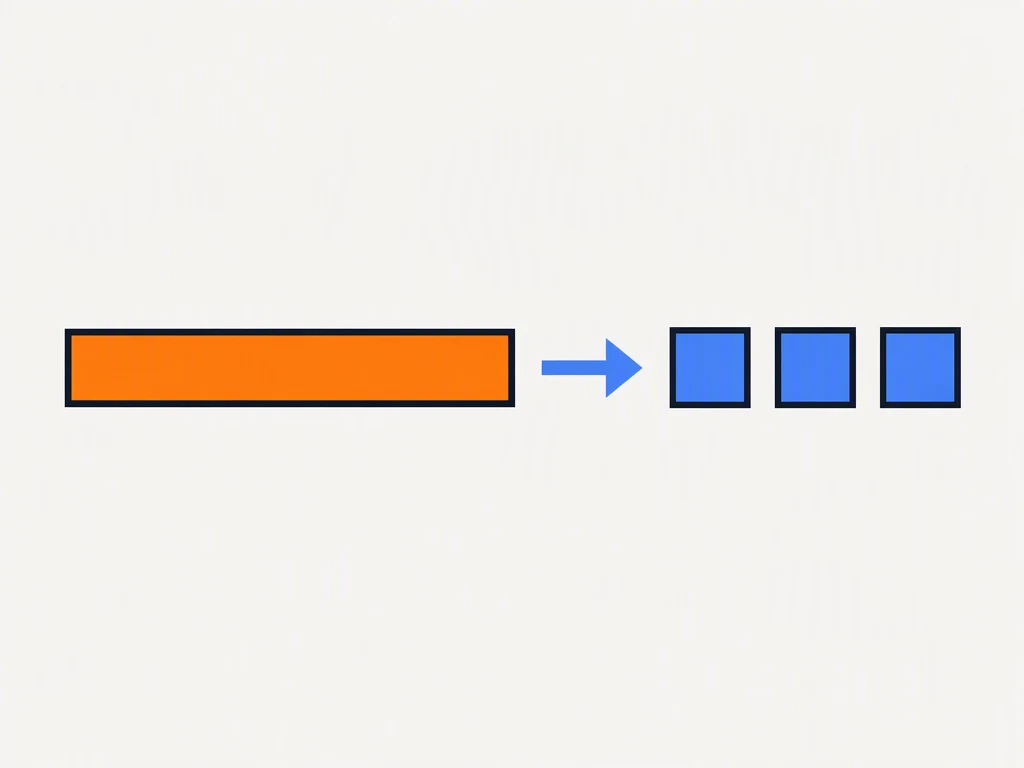
The uncomfortable part is the timeframe. Organic growth on Instagram is slower than it was three years ago, and anyone selling you a fast path is selling you ads with a different label. The good news is that slower growth is also stickier growth, because it comes from people who chose to follow you.
How to grow an Instagram following without paid ads?
Four moves, in order of how much they matter.
- Pick one format and repeat it. Reels, carousels or a talking-head video. One, not three. Repetition is what teaches the algorithm who to show you to.
- Post three times a week for eight weeks. That is long enough to read a pattern and short enough to survive.
- Write for the save, not the like. A like costs nothing. A save costs a decision, which is why it carries more weight.
- Answer every comment in the first hour. Comments in the first hour are the strongest signal you can send that a post is worth distributing.
Everything else, from hashtag counts to posting times, is a rounding error next to those four.
What actually changed about organic reach
Instagram tightened through 2025. Engagement fell roughly a quarter year over year and follower growth slowed across every brand size, according to Socialinsider's benchmark data (Socialinsider).
That headline number hides the useful part. Buffer's breakdown of how the Instagram algorithm ranks content puts the emphasis on sends, saves and watch time rather than posting frequency (Buffer). In other words, the platform did not stop distributing content. It started distributing content that people finish and keep.
Sprout Social's Instagram statistics show the same shift in engagement patterns across post types (Sprout Social), and Hootsuite's roundup of platform data is worth reading for the audience numbers alone (Hootsuite).
Read those together and the strategy falls out of the data. Fewer posts, each one finished, each one worth keeping.
Pick one format and repeat it
The format is the decision that determines everything downstream. Choose based on what you can sustain, not what performs best in isolation.
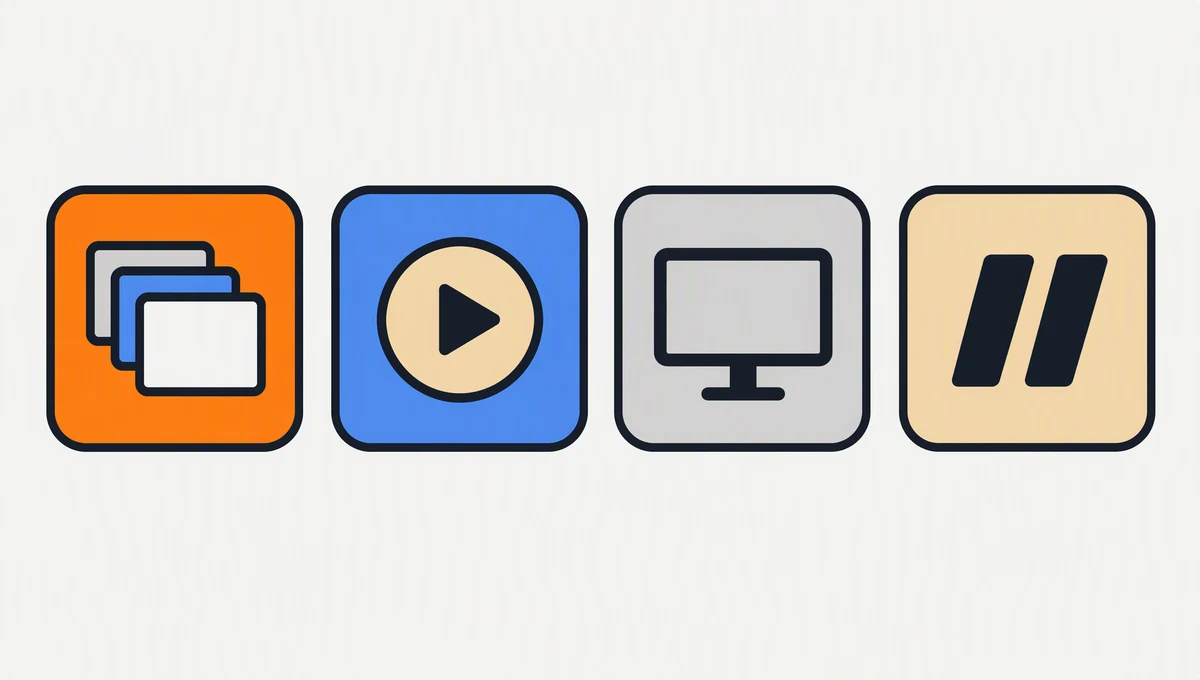
| Format | Best for | Time per post | The risk |
|---|---|---|---|
| Carousel | Explaining a process or a comparison | 30–45 min | Slides get lazy after the third frame |
| Talking head | A point of view or a hot take | 20–30 min | Needs a face and a decent mic |
| Screen recording | Product, teardown, walkthrough | 40–60 min | Reads as a demo if it has no argument |
| Text-on-image | One sharp sentence | 10 min | Runs out of ideas in three weeks |
For a founder with a day job, carousels are usually the best first bet. They carry an argument, they are easy to repurpose from writing you already did, and they do not require you to be on camera.
Pick one. Give it eight weeks. If it has not moved after eight weeks of genuine effort, switch formats once, not weekly.
The weekly posting routine
This is the loop. It fits into an hour if you protect the hour.
| Day | Task | Time |
|---|---|---|
| Monday | Write the three captions from one longer piece of work | 25 min |
| Tuesday | Build the first carousel, post it, reply for twenty minutes | 20 min |
| Wednesday | Note which slide people replied about | 5 min |
| Thursday | Build and post the second carousel | 20 min |
| Friday | Post the third, reply to everything, log the saves | 25 min |
The Monday task is the one that decides whether the week works. Writing three captions from scratch takes an afternoon. Writing three captions from an article you already published takes half an hour, which is the entire argument for treating Instagram as a distribution channel rather than a content channel of its own.
What to do in the first hour after posting
The first hour is when Instagram decides how widely to show a post, so spend it on the platform rather than away from it.
- Reply to every comment with a question back. Replies are conversations, and conversations produce more comments.
- Send the post to three people who would genuinely find it useful. Sends are the strongest signal in the ranking systems.
- Do not edit the caption. Editing does not reset the post, but it does waste the hour you should be spending in the comments.
- Watch the retention graph if it is a video. The drop-off point is the exact timestamp of the sentence that lost people.
That last one is the most useful diagnostic on the platform, and almost nobody checks it.
How many followers do you actually need?
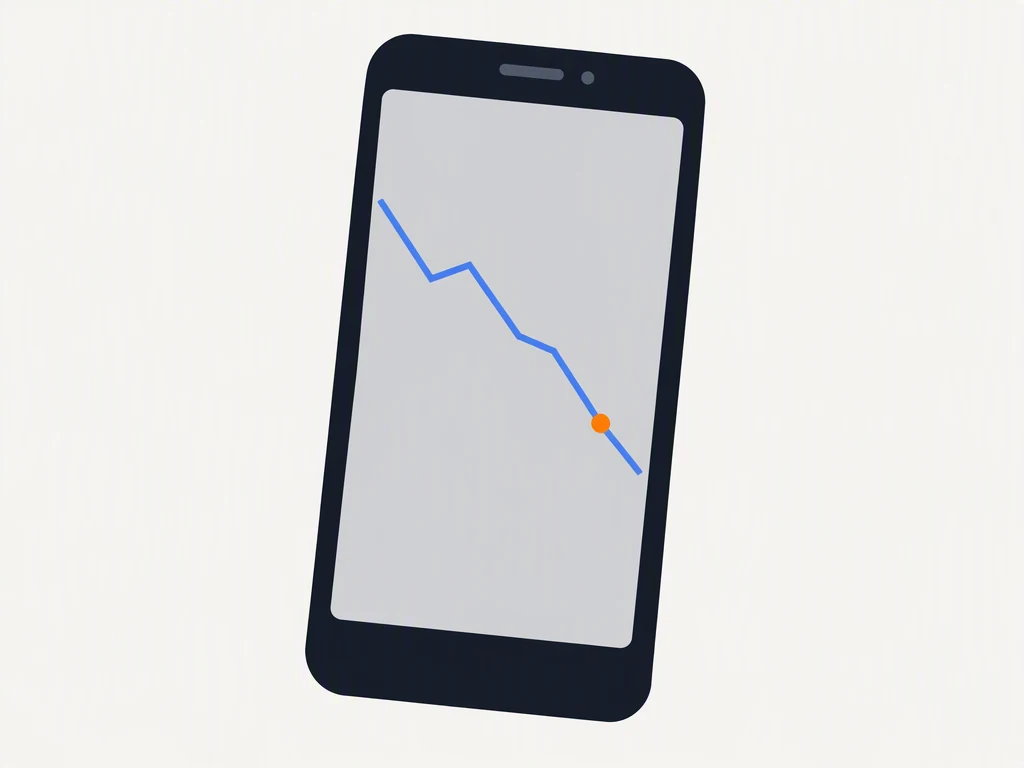
Fewer than you think. For a founder selling to a defined audience, a following in the low hundreds that replies is worth more than a following in the tens of thousands that scrolls.
The reason is arithmetic, not sentiment. A post that reaches two hundred people in your exact buyer group will produce conversations. A post that reaches twenty thousand people outside it produces nothing but vanity metrics, and it costs more of your week to sustain.
Judge the account on three numbers instead of follower count.
| Metric | What it tells you |
|---|---|
| Saves per post | Whether the content was worth keeping |
| Replies from accounts you do not follow | Whether you reached outside your own network |
| Profile visits per post | Whether the content made people curious |
If saves are rising and followers are flat, you are doing it right and the followers will follow. If followers are rising and saves are flat, you have bought yourself an audience that will not buy anything.
Three things that quietly kill organic growth
Posting more often than you can write well. Three good posts beat six mediocre ones, and the algorithm now agrees. Volume without substance is the most common way founders burn an account out in a month.
Switching formats every week. Each format needs a few weeks of data before it is worth judging. Rotating between four formats means you never collect enough signal on any of them.
Treating the caption as an afterthought. The caption is where the argument lives. If the caption is a single emoji and a hashtag block, the carousel has nowhere to land.
What to do when growth stalls
Stalls are normal and they are diagnostic, not fatal.
- Week one of a stall: change nothing and keep posting. Most stalls are noise.
- Week three: look at which specific slide or frame people replied about, and make a post that is only that.
- Week six: change the format once, keeping the posting schedule identical.
- Week eight: change the audience. If you have been writing to everyone, write to one job title for a month.
The trap is changing all four at once, which leaves you with no idea what worked.
The short version
How to grow an Instagram following without paid ads comes down to one format, three posts a week, and a first hour spent in the comments. Optimise for saves and replies, not followers, and give the whole thing eight weeks before you judge it.
If you want the rest of the distribution picture, the AI social media management workflow covers how to cut one long piece of work into posts across every channel, and the weekly marketing plan for startups shows where Instagram belongs in a week that also has to cover search and your product. The pricing page shows what the planning tooling includes if you would rather the schedule came from a plan than from a note.
One format. Three posts. Eight weeks. Then decide.