Sentiment Analysis for Brand Monitoring: A Starter Guide
October 14, 2026

Sentiment analysis for brand monitoring means reading what people say about you and classifying it, so you can see a trend instead of a pile of comments. The point is not the score. The point is noticing that a specific complaint appeared three times this month, which is a product problem rather than a marketing one. Start with the four signals below, check them once a month, and ignore the rest until you have a reason to care.
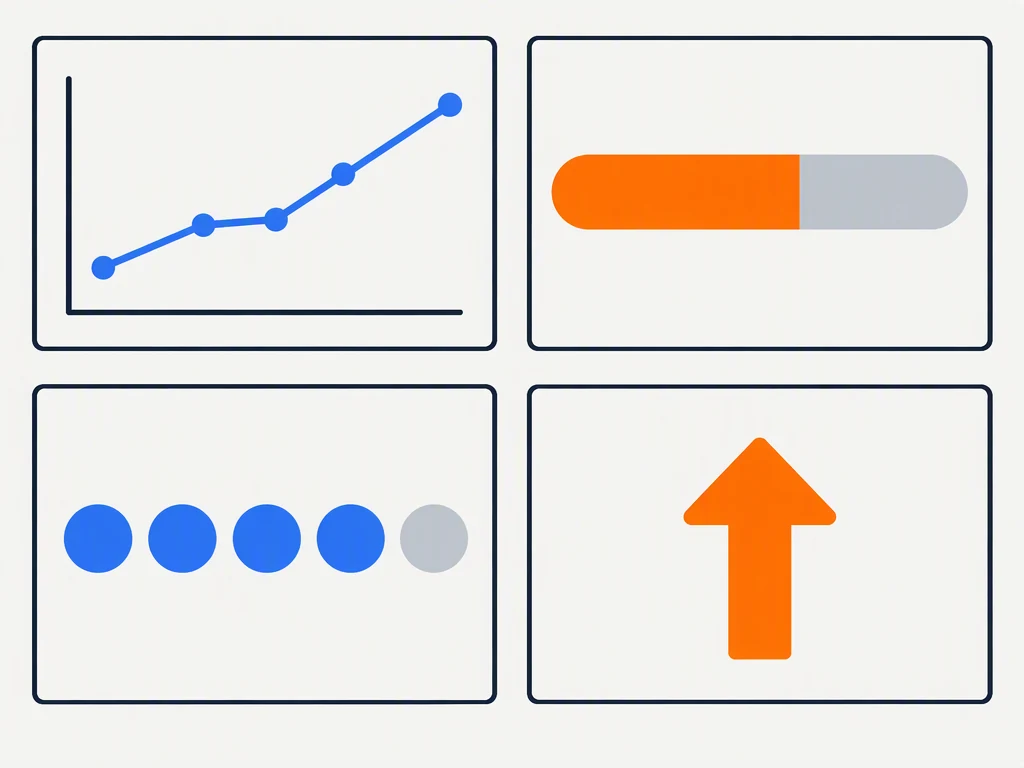
Most early-stage founders do this badly in one of two ways. Either they check nothing, and hear about a problem from a customer who is already leaving, or they set up a dashboard with eleven metrics, look at it twice, and never open it again. The middle path is small and boring, which is why it survives.
What is sentiment analysis for brand monitoring?
It is the practice of collecting mentions of your brand and labelling each one as positive, neutral or negative, then tracking how that mix changes. Three things make it useful rather than decorative.
- It is a trend, not a snapshot. One angry post is noise. The same complaint in three different months is a pattern.
- It separates the source. Support complaints, product complaints and pricing complaints need different responses from different people.
- It feeds a decision. Every monitoring routine should end with one thing you are going to change.
If a monitoring routine does not end in a decision, it is entertainment.
Why sentiment is harder than it looks
Automated sentiment classification is unreliable on short text, and short text is most of what people write about brands. Sarcasm, backhanded praise and industry jargon all defeat a naive classifier. A post that says "great, another pricing change" is negative, and a keyword tool will read it as positive because of the word "great".
The practical answer is to use the tool for collection and rough sorting, and to read a sample by hand. Brand24's guide to social media sentiment analysis recommends tracking the trend over time rather than trusting any single score (Brand24), which is the right instinct: the direction of travel is more reliable than the reading.
The four signals worth tracking
You do not need a dashboard with twenty metrics. Four will tell you what is happening.
| Signal | What it measures | How often | Warning sign |
|---|---|---|---|
| Mention volume | Whether people are talking at all | Monthly | Volume falls for two months running |
| Positive-to-negative mix | Whether the tone is shifting | Monthly | Negative share rising two months in a row |
| Repeat complaint | The same issue appearing again | Monthly | Same theme appears three times |
| Unprompted advocacy | Someone recommending you with no ask | Monthly | Flat or falling while volume rises |
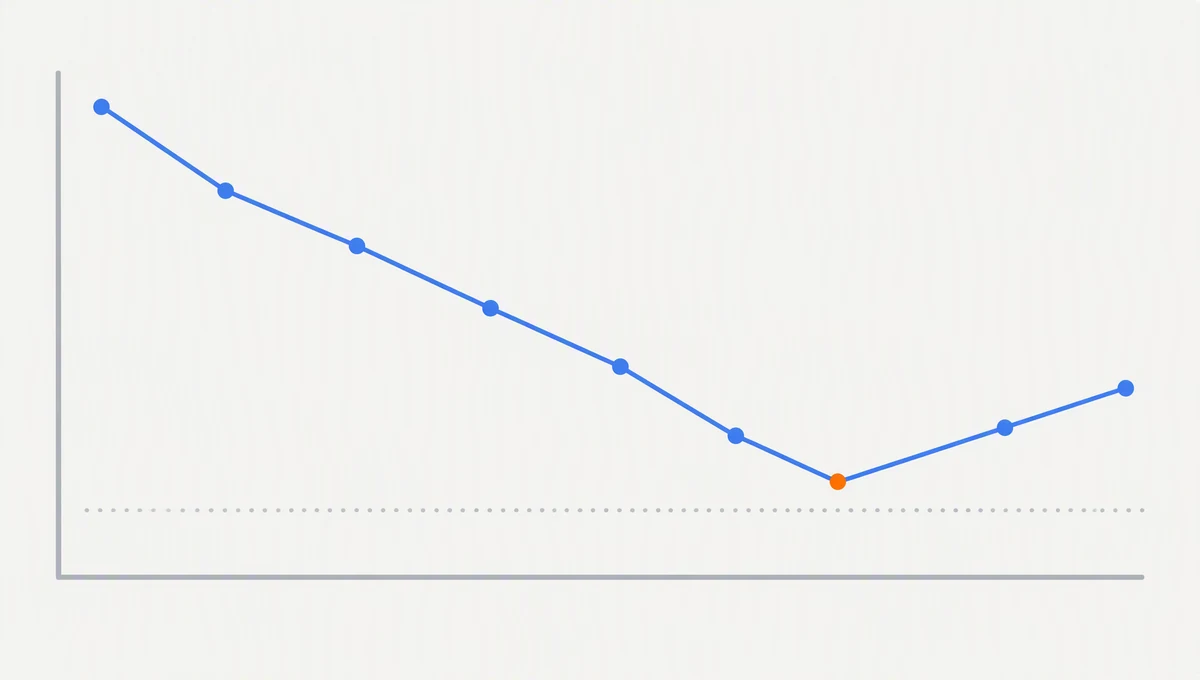
The fourth one is the most valuable and the least tracked. Mentions you did not ask for are the only honest measure of whether people would recommend you, and they are the leading indicator of word-of-mouth growth.
A monthly monitoring routine
This fits into ninety minutes once a month. Put it in the calendar or it will not happen.
| Step | What you do | Time |
|---|---|---|
| Collect | Pull every mention from the last thirty days into one list | 20 min |
| Sort | Read the list and tag each mention by theme, not by mood | 30 min |
| Compare | Put the four signals next to last month's numbers | 10 min |
| Read the sample | Read twenty mentions properly, in full | 20 min |
| Decide | Write down one change and one owner | 10 min |
The sorting step is where the insight comes from. Tagging by theme rather than by sentiment is what turns "people are unhappy" into "four people this month mentioned that onboarding takes too long".
How do you set a baseline?
Measure before you monitor. Pick thirty days, go back through your mentions, and count the four signals as they stand. That number is your baseline, and without it every later reading is a guess.
A useful starting benchmark: sentiment scores above eighty percent positive typically signal a healthy brand in a monitoring tool's own reporting (Brand24). Treat that as a reference point rather than a target, because the threshold depends on your category. A payments company and a consumer app will never share a normal.
Set the baseline, then judge yourself against your own history. Movement is the signal.
When sentiment turns negative
Have a ladder ready before you need it. Deciding under pressure is how a small issue becomes a public one.
- One mention, unclear. Reply publicly, ask a question, move it to a private channel. Do not over-answer.
- One mention, specific and fair. Acknowledge it, say what you are doing, give a date. Publicly.
- Three or more on the same theme. Stop replying one by one. Write the response once and put it where everyone can see it.
- The theme is a product problem. Take it out of marketing and into the roadmap, with a name attached. This is the outcome the whole routine exists to produce.
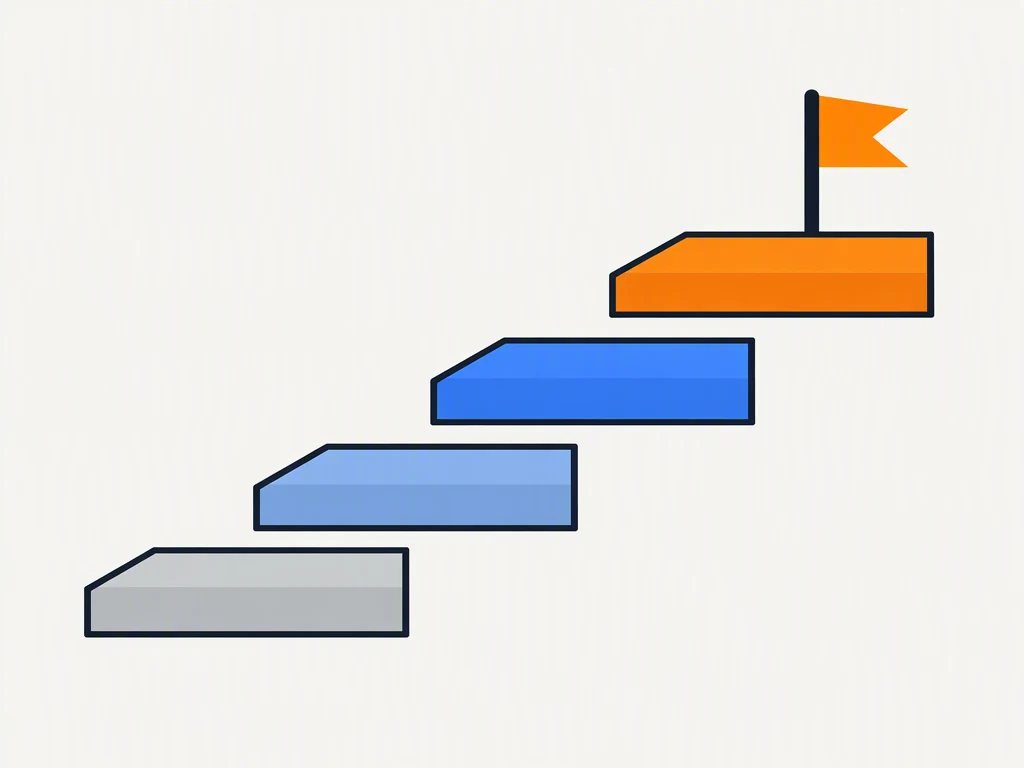
Sprout Social's guide to social media sentiment analysis frames the same escalation as tracking brand health over time rather than reacting post by post (Sprout Social), which is the correct frame. Reacting to individual mentions without reading the trend is how you end up firefighting the same issue every quarter.
What to ignore
- A single bad week. Noise. Wait for two months of the same direction.
- Aggregate scores with no sample. A number you cannot trace to five actual comments is not evidence.
- Competitor comparison scores. They are computed on a different audience and are close to meaningless for you.
- Anything that does not change a decision. If the metric has never caused you to do something differently, delete it.
Hootsuite's overview of social listening is a useful reference for what the collection layer looks like before you add classification on top of it (Hootsuite). Meltwater's comparison of sentiment tooling covers the range of what is available if you decide to buy rather than build (Meltwater).
The short version
Sentiment analysis for brand monitoring is worth doing when it is small, monthly and decision-shaped. Track mention volume, the positive-to-negative mix, repeat complaints and unprompted advocacy. Read a sample by hand. End every session with one change and one owner.
The routine only works if you already have somewhere for mentions to come from. The social distribution workflow covers the posting side, and the agency workflow automation guide shows how to schedule the collection step so it stops depending on memory. If you are still deciding what your brand should stand for, what an AI CMO does puts monitoring in the context of the wider planning layer. BrandOye runs brand monitoring as one input into the weekly plan rather than a separate dashboard, and the pricing page shows what the plans include.
Four signals, ninety minutes a month, one decision each time.